Key takeaways
- What should leaders ask after an acquisition?
The most important question after an acquisition is not whether leaders can stay, but whether they can continue to grow. - What makes the right acquirer?
The right acquirer protects autonomy while providing CEOs with the resources, expertise and support needed to take on bigger challenges. - Why should founders evaluate more than financial terms?
Founders should evaluate a buyer's plans for their people, leadership team, and long-term legacy as carefully as the financial terms of the deal. - What traits help leaders grow after an acquisition?
Leadership growth depends on humility, curiosity, ambition, and the freedom to learn from failure. - How can founders assess a buyer's commitment to leadership development?
Sellers should ask for real, long-term examples of how an acquirer has developed leaders and employees after previous acquisitions.
Topics
Show notes
Why do Founders fear losing autonomy after an acquisition?
Andy Nelson explains that many founders worry about losing control, influence and decision-making authority after selling their business. Concerns about being replaced, absorbed into a larger organisation or losing the ability to shape the future of the company are common. Kealan Curran adds that much of this fear comes from uncertainty about what life and leadership look like after the deal closes.
What happens to CEOs after selling their business?
Andy Nelson and Kealan Curran share how acquisition accelerated their own leadership journeys. Both joined acquired businesses in operational roles before progressing into senior leadership positions with responsibility for multiple businesses. Their experience demonstrates that the right acquisition partner can create career opportunities that may not have existed in a standalone company.
How does a decentralised leadership model work?
Kealan Curran explains that a decentralised leadership model allows CEOs to retain autonomy while gaining access to additional support and expertise. Rather than having decisions made for them, leaders continue running their businesses while benefiting from guidance, resources and experienced peers who can help navigate challenges
What new opportunities become available after an acquisition?
Andy Nelson discusses how leaders can benefit from access to specialist expertise, leadership networks, technology resources and shared best practices across a larger group. Kealan Curran notes that the backing of a larger organisation can also help businesses pursue opportunities that may have been out of reach previously, creating new avenues for growth.
How does Omegro develop future leaders?
Andy Nelson outlines Omegro's approach to leadership development through coaching, mentoring, leadership programs and peer learning. Development opportunities exist at every level of the organisation, helping individuals build the skills and experience needed to take on greater responsibility.
What leadership traits drive growth after an acquisition?
Kealan Curran believes the most successful leaders are those who actively seek opportunities to learn and improve. Andy Nelson adds that humility is equally important because great leaders recognize they do not have all the answers. Together, these qualities help leaders adapt, grow, and embrace new opportunities.
Why does learning from failure accelerate leadership growth?
Andy Nelson explains that leaders develop fastest when they are challenged beyond their comfort zones. Kealan Curran describes a culture where people are encouraged to try new things, learn from mistakes, and continually improve. Rather than being viewed negatively, failure becomes an important part of the learning process and leadership development journey.
How do leaders progress beyond running one business?
Kealan Curran discusses how leadership evolves from managing day-to-day activities to coaching, supporting and developing other leaders. As responsibilities expand, success becomes less about managing tasks and more about building capable teams.
What questions should Founders ask potential buyers?
Andy Nelson encourages founders to look beyond valuation and ask about leadership development, people development and long-term business support. Understanding how an acquirer invests in employees, develops future leaders, and supports growth can provide a clearer picture of what life will look like after acquisition.
Why does leadership legacy matter when selling a business?
Kealan Curran explains that many founders care deeply about what happens to their people after a sale. Employees, customers and future leaders often play a major role in decision-making because founders want confidence that the business they built will continue to thrive long after the transaction is complete
The big takeaway: Growth matters more than staying
Andy Nelson and Kealan Curran argue that the most important question after an acquisition is not whether leaders can stay, but whether they can continue to grow. The right acquirer preserves autonomy, invests in leadership development, and creates opportunities for long-term growth.
Transcript
Andy Nelson (00:00)
The fear of being cast aside. Is that them? Will they be cast aside? Will somebody else be sitting in their chair after the acquisition? Do they lose their responsibility and their influence?
Kealan Curran (00:09)
The fear is genuine. They don't know what's coming next and they don't know what's possible. I suppose if you think of you know the definition of fear, it's a lack of understanding.
Lynne Salmon (00:29)
One of the biggest fears founders have about selling is what happens to them and their leadership team after the deal. I'm Lynne Salmon and this is the Omegro Effect, a podcast for founders, CEOs and business leaders navigating exits, carve outs, and what comes next.
In the last episode, we talked about why buyer fit matters. Today we go deeper into the people side. What happens to leaders after acquisition and why do the best ones grow more, not less? We'll talk about the fears many founders and CEOs have before a deal closes, because the question is not just whether you can stay, it is whether you can grow. Joining me today are two people from Omegro who have lived this journey firsthand. Andy Nelson, Portfolio Manager, and Keelan Curran, group leader. Andy, Keelan, great to have you both here.
Kealan Curran (01:18)
Thanks, Lynne.
Andy Nelson (01:19)
Thanks having us, good to be here.
Lynne Salmon (01:21)
Great. So before we get into today's topic, let's talk a little bit about your background. Andy, how about we start with you?
Andy Nelson (01:28)
Sure. so I've been with the organization quite a while now, about twelve years. I joined through an acquisition in 2014. I was an individual contributor I was working through a couple of projects and kind of keeping my head down and then acquisition popped up. And I immediately saw the opportunity and I was able to take on a variety of new roles and projects and then was given the opportunity to lead that business after a couple of years, but I had a lot of support from the organization. So I was able to get involved with that a great opportunity to learn, to meet new people, to you know, to drive my career forward. and after a couple of years I then handed over the business to Kealan and then kind of became a group leader and then a portfolio manager, so helping to acquire other businesses and then as they came in to coach their leaders, to provide strategy advice to help them develop. And I've been doing that for probably four or five years now and never a dull day, I would say, in Omegro.
Lynne Salmon (02:35)
Thanks, Andy. And Kealan let's tell the folks a little bit about your background.
Kealan Curran (02:39)
Sure, Lynne. so there's quite a few similarities between Andy's path and mine. So I joined one of the same business that Andy was in in 2015. And I also joined as an individual contributor just at the time that the business was being acquired by Volaris I didn't know that at the time, but it was just right at that, at that point. I joined as a software support engineer, dealing with technical problems for customers, so a customer facing role, which I quite enjoyed. but within two years then I moved on to people management role to oversee a small team I headed that department for a number of years. I think I've always had an interest in thinking about what's next in growing and really helping people. So did that for a number of years and then as Andy mentioned he moved on to something else and gave me the opportunity to actually become the managing director of that business. That was a really interesting couple of years, really, really fun, a sharp learning curve for me to run a business in quite a short period of time. I did that I think quite successfully for a number of years. We had lots of good times, good results. everyone seemed to be happy with what we achieved in that business. And I suppose the one thing that's constant in our world is change. So more opportunities came fairly quickly to me were a number of acquisitions happened and Andy wanted to do other things and was confident enough to give me the opportunity to manage a number of businesses. So I oversaw a number of small businesses for a few years in a small group. And then if we step forward to today, I now oversee five businesses across multiple countries with around three hundred staff covering many different verticals. So it's been it's been a great journey, it's been good fun.
Lynne Salmon (04:24)
Yeah, you guys have had quite the trajectory in your careers, which happens to be very much aligned with what we're talking about today. So without further ado, let's just get right into it. Andy, when founders are thinking about selling or any sellers really, what do you think are their biggest fears they have about what happens to them personally?
Andy Nelson (04:44)
I think both for founders and for kind of employee leaders as well, a couple of things jumped to mind is the fear of being cast aside. You know, you hear of particularly in the private equity world, the management teams being parachuted in or implanted into the business and taking something in a completely new direction and founders, business leaders are worried, is that is that them? Will they be cast aside? Will somebody else be sitting in their chair after the acquisition? Kind of on one side. The other side would be if they're acquired, are they swallowed up by a corporate machine and all they are is a kind of corporate apparatchik now? Are they just towing the party line? Do they lose their autonomy? Do they lose their responsibility and their influence? and then I think the third thing that comes to mind is do they lose their ability to use their experience, their specialist, long-term knowledge to help the business, to help the customers, to deliver the products? and even if they're still in the business, are they sitting on the sidelines? So those are the things that jump to mind for me.
Lynne Salmon (05:48)
I think that fear is probably inevitable. I mean, if we look at both your careers, the opposite of that was true though, right? Like Kealan tell us a little bit about your experience when you came on board and what your perspective was to growth or maybe lack thereof.
Kealan Curran (06:04)
Yeah, I think the first thing to call out, the fear is genuine. and I think the fear for founders comes from a place of care. And if you think about the journey that they've been on pre acquisition, in a lot of cases those people have built the businesses up sometimes from nothing to what they are at that point in time. And really the business is their baby, and it's probably been something that they've devoted large portions of their life to get it to where it actually is. and you get it to a certain age and all of a sudden it has to do other things and you know you really want to let you really want to let that go and you want to let that control go. But I think when we're talking to founders they've maybe got the business to a certain point and they don't know what they don't know. They don't know what's coming next and they don't know what's possible. I suppose if you think of you know the definition of fear, it's a lack of understanding. And I think when founders are looking into companies like Omegro, they maybe don't understand what's next or what actually will happen. as Andy points out there, you know, they don't understand maybe our model and the decentralized approach that we take. And, you know, it it'd be natural for any of those CEOs to think that well, we don't know what's next. Yes, we might make a sale, but you know, I'm really happy to be in a position that someone else calls the shots in a lot of cases they may believe that that they are the only people can make the right decisions 'cause they know the business so well. So totally understandable where they're coming from. And I think it's our job to educate those people to really understand how we run our businesses or how we would give them the opportunity to continue to run their businesses in the best way that they see fit.
Lynne Salmon (07:41)
Yeah. And given both your experience, you can really talk to that truth. Like it's not just lip service. You guys have actually lived through that.
Andy Nelson (07:51)
I think the thing that jumps out is the trust factor there, that we're you know, some of our the acquisition conversations we're having are in many cases multiple years between a first introduction and a and a transaction or getting close to a transaction and it's about building up the trust with founders that we're not we're not saying one thing and doing another, that we are actually we are actually proving it. Kealan and I we weren't founders of those businesses. We weren't we weren't leading the business, but we were employees who were invested and were happy to, you know, to work hard, to learn as much as we could and to take the opportunities that were available to us. but we have examples in Omegro of founders who have remained either in their business for a period of time afterwards and who've learned and developed themselves and their businesses or founders who've gone on to take on slightly different roles and still remain within the organisation. But I think the trust point there is important where you know you need that that time and those conversations and build those relationships so that people can know that we do what we say and we you know we kind of believe in it and we live it as best we can.
Kealan Curran (09:02)
Yeah, and you know, recently I'm working with a particular business that the CEO wasn't a founder, but he's the CEO that came across with the acquisition. I'm working quite closely with that person at the minute. And the conversations out of interest that I've been having with him are around what you're experiencing now is that what you thought life was going to be like before the deal actually happened? And the answer is no. The answer was, well, no, I thought that I would have a whole lot less autonomy. I thought that there would be people telling me how to do my job. and the way he described it was quite well, he said, look, I still have the autonomy to actually do what I want to do, but the guardrails are on, you know, so there's protection there, and Omegro sort of steps in to keep the business safe. We all know being a CEO is quite a lonely role, no matter whether it's a privately owned business or part of a large corporation. But there are signposts to resources and to other people that he can actually call on, whether they're peers or other experts to help. So I think the beauty of Omegro is that in that you still hold onto the autonomy that actually is the motivating part of the role for a CEO. but you've just got a lot of resources around you to help you to deal with challenges that come along inevitably. And with thirteen hundred businesses in Constellation, there's a fair chance that problem has appeared somewhere before and someone has dealt with it successfully.
Lynne Salmon (10:30)
So what opened up that wasn't available before? I mean, we're talking about this large network, but is there anything else that sort of stands out that was not available before you came on board with Omegro?
Andy Nelson (10:41)
I think for well for me there's two things. One is probably a more practical and a particular example is the kind of up to the moment in AI resourcing and thinking and, you know, thought leadership if you like. in Omegro we have an AI center of excellence with dedicated professionals who are, at the front of knowledge, at the front of practice, at the front of bringing AI practices into the business. And that's something that a group of businesses, a collective can get that an individual business can't. on the other side, I still remember going to my first kind of collective event when we were acquired with probably 150, 200 people from businesses across the world. And that for me as an individual really lit a fire in me to say, all right, I need to raise my standard. My standards were here. And I thought they were high, but now I see what's possible. I see that it's possible to drive a business in such a way to sign deals that are this profitable or this size to develop products that do these interesting and exciting things to drive technology forward So, there's a more practical and prosaic side with some of that resourcing but also that it's a bit of that competitive instinct. You want to you want to be at the front of the pack, you want to drive things forward. And I think it's easy for me to say, but for the people who have that instinct I think this is an awesome place to be because there's a lot of people running to try and get to the front and you're all pushing each other forward, you know.
Lynne Salmon (12:06)
And Kealan what about you? Is there anything that stands out that you certainly didn't have in your last job?
Kealan Curran (12:13)
Yeah, for sure. I suppose you know, in in a previous life, I ran a family business and for me probably the most senior role there was a CEO. There was nothing beyond that. I never even really spent any time thinking about what was possible beyond that. so within a very short period of time I started to realise that there was a much bigger world, there was a much there were many more opportunities for the business and for me that were beyond just working in one business. But if we take it back to sort of operational benefits The business that it ran, that Andy and I were involved in, I'll give one practical example, we won a huge tender with a government body in Ireland that we wouldn't have been able to enter that competition if we hadn't been part of Volaris/Omegro because they weren't interested in dealing with a one-man band or a small business. They wanted that safety net that that it was a large corporate that was backing the company that was going forward. So that was one example that the power of Omegro and the backing and the strength is a real bonus point and allows the businesses to think much bigger than maybe they've done in the past. So I would say overall, having the backing of a large corporate like us, it gives should give the right individuals a lot of confidence to be braver and to take on bigger challenges for their business.
Lynne Salmon (13:35)
Yes, so definitely a lot of possibilities. But let's talk now specifically more about leadership and how Omegro structures the growth in their leadership. Andy perhaps we can start talking about the various programs and what Omegro does to help build the capabilities within their leaders.
Andy Nelson (13:53)
Yeah. So the balance between more formal training and development and the informal side as well. We run a variety of leadership courses and programs that kind of start with a program called Rising Stars, which is for high potential individual contributors. So preparing somebody potentially for their first either their first management or team lead job. And then we run a variety of programs for leaders all the way through to developing into business unit leaders. So we have business unit leader development programs with individualized coaching. And then we have through to programs for developing group leaders into the role that That I had had and the role that Kealan is now in. and then individualized coaching for senior leaders, even beyond that. So there are a variety of programs for every level of the organization for somebody who's kind of just starting out in their career, to people who are, you know, a couple of decades in. We balance the formal side with more informal. So we take a coaching approach to leadership and through management conversations try and support leaders in finding their own solutions. So not giving them the answer, but in developing people we're an organisation that changes a lot, that grows quickly. And then on the even more informal side, it's about building a network, so you know, groups of business unit leaders getting together on regular calls, groups of customer care leaders, for example, across businesses getting together in regular forums, sharing what works, more importantly, sharing what didn't work. I think that's as important or more important than the formal side of learning and we try and be invested in that kind of collective success, you know, and you know, winning together and pulling everybody forward. We don't we don't win we don't believe in winning by pushing others down. We believe in winning by pulling everybody forward together, you know.
Lynne Salmon (15:52)
Right. And Kealan what was your experience? Because you would have gone through these various development programs as part of your career path.
Kealan Curran (16:00)
I think they I suppose if we if we think it through, you know, we've had lots of conversations about how Omegro grows in the future and the line that comes up quite regularly is we can only grow our business as quick as we can grow our leaders. So it it's taken very, very seriously the development of our of everyone within the organisation. but focusing on the leadership piece for a minute, So seventy percent of the job is still learning on the job and really rolling your sleeves up and learn from experience. The twenty percent is probably our Omegro events, which there are lots of, and then ten percent there's external courses and things like that. And I think the right individuals will go looking for some of those opportunities. One thing that I think that is worth calling out, I've never asked to be involved in any training program that have been refused to go on. For the people that are proactive, for the people that want to put their hands up, there's a there's a range of things there. I think every year it gets better and better where there's more focus, there are more courses. If we look in the past two years, you know, Thrive is an event that Lynne obviously you've been involved in organizing for some of our newer businesses coming in, for those for those sort of mid level managers and newly acquired businesses for people to really get an understanding and a crash course on how we do things at Omegro. So I guess next year the answer will be different. I guess there'll be something else added and added. So we're constantly adding new things and new opportunities for people, for the right people who want to put their hand up to be involved in. I think that's fantastic. There is an ethos across the business that suits certain people. And it's the people that are constantly wanting to better themselves. That are naturally curious, those people do very, very well in the organization because they're always looking for the next thing, always wanting to learn from others. Sort of is a is a breath of fresh air that I don't believe you would get in many other organizations.
Andy Nelson (18:02)
And for me that's you know, it's us living our corporate values, you know. We have them on the website, we live them internally, about particularly there about the humility for all of us to know that we as Kealan said, you know, at some stage you think you know everything and then you walk through the next door and say, jeez, there's another library full of books here, I didn't I didn't know existed. So you have to have the humility to know that know that you don't know everything. and the hunger, we talk about being hungry, the hunger to want to want to take on those challenges and to want to, go back to the back to the bottom of the hill in terms of learning and start again start again in a new element and that's it's not it's not for everyone. we live our values in that sense if you have the humility to know that. And you have the hunger to want to learn and develop and you're willing to put the effort in and to try and to win and to fail and to get up and try again, then it's absolutely the place the place for you. That that's not for everyone, doesn't suit everyone, but for the people where you know, who are kind of living those values, like most of us in the organization do. Jeez, I couldn't I couldn't think of anywhere better really.
Kealan Curran (19:18)
Yeah. I think it's a really important point you're making there, Andy, around failing and being comfortable with that. the environment is set certainly around me anyway, that I'm comfortable taking on new challenges because you know if I completely make a mess, someone's gonna help with it. We're not really gonna we're not gonna be judged on it. It's not that type of organization. It's the kind of place that we are all trying to learn. And when we're learning new things, inevitably we're not going to get them right each time. So yes, there's plenty of courses that cover, you know, whatever we need to be working on at the time. But when you actually go into the real world and try those things, you don't always get it right. But you know, I would have the confidence to try it, give it a go and say, Well, actually maybe I could have done that better and learn from it. And there's very few, if any, judgments around that. So I think that kind of attitude is sort of breeds a growth mindset where people are comfortable just trying new things, knowing that if it doesn't go exactly the plan, it'll all work out in the end. and you know, whenever you're thinking like that you're happy just to be challenged then than just sitting still.
Andy Nelson (20:26)
We and that an example of that is we work with work with managers and our teams to set scorecards at the start of every year And as we come to the end of the year, and Kate and I have had this conversation many times, is if you come to the end of the year and you've hit every single goal, then you probably haven't been ambitious enough. We haven't been pushing far enough because if you're sitting relaxed and comfortable and hitting every number and every achievement or every target, then you're not pushing yourself. You should be stumbling. You should be setting your reach slightly further than your grasp because that's how we're gonna keep developing and keep things interesting as well. If we're if we're just rinsing and repeating, then the people who are smart and humble and hungry aren't going to want to stay in the organisation. So we should be we should be, and I think we are comfortable with that and the organization.
Lynne Salmon (21:18)
And I suspect going from being a CEO of one business, then moving into say a group leadership position, where you're not only managing that PL, but you're overlooking or coaching a number of businesses now I mean, that's a huge opportunity. How do you move from looking at say managing one business to taking that next big step?
Kealan Curran (21:45)
Yeah. I think the trick is moving away from more managerial tasks and tasks in the leadership. Having the right people around you is key and being able to delegate properly and safely, I think is huge. One thing that I think I've learned over the past while is that things that I thought other people can't do, they absolutely can do. And you've got to give them that space to actually do that and thinking it through. Like I've been given that space in the past to run a business. Andy didn't step in every Monday morning and tell me exactly what to do when I was running that one business. And I don't step in every Monday to the five businesses that I oversee and tell them exactly what to do. You know, Andy talked a little bit about coaching and that, and that's probably the way that I approach it as well. So I talk to the CEOs regular. I want to talk about the big ticket items, I want to talk about, you know, where they're challenged, I want to provide them with support. But essentially they run the businesses. So yeah, I do oversee five businesses, but I don't run five businesses. The CEOs run those businesses, you're sort of the gel between businesses, I would say but you know you could put another two or three businesses into my group and I would say things would there would be that capacity just to for the group still to do very, very well, providing you have the right people in the right seats in those CEO roles.
So there's nothing better than actually being in the seat to actually learn. You can learn all you want from books and all that, that's great. But actually being there experiencing it. and then Andy talked about humility there, being humble enough to reflect and actually ask yourself, have I been doing a good job? You know, are the businesses where they need to be? Do we've you know, are you have you got the relationships with the CEOs that they're gonna give you honest feedback I think if I was a if I was a CEO about to sell my business and I was thinking, potentially this could be the future for me, I'd be focusing on the on asking the questions to the organization about you know, what does life look like for me further down the line? You know, not can I keep my job, it's more around you know what can I do to grow further as a CEO who has walked the walk and has been in this seat but what can I actually do next? and how do I prepare for that and how would you support me as an organization to oversee a number of businesses? And the good news is, you know, there are hundreds of proof points across the Omegro and Volaris of how we have done that. so we are only two people that have gone through this path. I think right across the organisation our ethos is to promote within as well. So there will be lots and lots of examples from people that have done the same as us.
Lynne Salmon (24:27)
Okay, so we might just take a short break at this moment and learn about one of our other business units. We'll be right back soon with Kealan and Andy.
Lynne Salmon (24:43)
Before we get back to the conversation, here's a story from one of the businesses from the Omegro Portfolio. Some of the world's most valuable assets never touch the road. They travel the oceans. Managing a modern yacht isn't simple. It involves maintenance, compliance, procurement, finance, crew, and safety, all working together. That's where IDEA Data Solutions comes in. For decades, IDEA has helped yacht owners and operators manage every aspect of vessel operations.
Through one integrated platform trusted around the world. When IDEA joined the Omegro Portfolio in 2012, the goal wasn't to change what made the business successful, it was to provide a permanent home for it to continue evolving. Today's CEO Christian Muller continues to lead the company, helping customers navigate an increasingly complex environment. As part of Omegro, through the Omegro Operating System, that deep domain experience connects with other businesses. Solving similar life cycle challenges, strengthening insight across the portfolio. Because the world's most valuable assets deserve more than software. They need long-term partners behind them. That's the Omegro effect. Now let's get back to the episode.
Lynne Salmon (26:02)
Welcome back. Just before the break, we were talking about scaling essentially from wanting one business to becoming a coach. So Andy, if a founder or a seller wanted to know whether an acquirer would support their growth, and I know Kealan and you were talking about this just before we broke, but what questions should they be asking?
Andy Nelson (26:24)
I think they should they should be asking about leadership development, about people development. Founders in particular, and Kealan had said it earlier, in some instances, or a lot of instances, the business is their is their child. It's like another child that that they have. And the business that I was acquired as part of and that Kealan joined as part of that process, it was two founders who had run the business for 30 plus years. And at the time what they were interested in was yes, the business and the customers, but they were interested in what happened to the people as well. And I think that's a common thing is if you've had employees and people the founders have worked with for a decade, 20 years, 30 years, they really care about what happens to those people. So interested in, you know, questions about how do they develop.
People, what does that look like? Do people tend to hang around in the organization? Do they do they leave? If you're a founder selling their business and interested in that long term view, you know, what happens not just in you know, a year or two years, but in five and in ten years and beyond, how does the acquirer set up the business for success over that long term? How do they find and develop the next generation of leaders, if you like? And then to look for examples. So, you know, what Kealan and I have told our story about how we've gone from being, you know, individual contributors and I was I was part of that acquisition through to developing our careers, but I think Kealan said it, we're just two of many people. We're not outstanding or unique in that sense there are many people who've been on the similar or same journeys to us. And so if I was coming into an organization, I'd ask for some of those examples and just to speak to those people and to find out their stories. and what's the approach to leadership, what's the approach to scorecard setting, what's the approach to peer support, how do you develop those networks, how do you develop those relationships? we're obviously we're a technology business and technology developing at an ever increasing rate. But we're still a people business at the core. And so, you know, you you'd want to be really interested in what happens to the people once the acquisition is complete. I think that's particularly important to many or most founders, I would say.
Lynne Salmon (28:53)
So the question is not just whether you can stay, it's whether you can grow.
Kealan Curran (28:57)
Yeah, I think Lynne on that one, if I was a founder and I was having my first conversation with Omegro that's the question that I that I would be asking and really wanting to see how confident the answer is in, you know, what happens to my people you know when we sign on the dotted line here. Because those people are the people that have enabled you to be in that position to actually be talking to Omegro anyway. So it's we it's hugely important and I would agree with what Andy says. They're you know, my experience, the people that were the two founders that Andy was talking about, there the most important thing for them was what happened to the people. It wasn't how much they could they could earn out of selling the business. It was, you know, this is our this is our legacy. We this is this is something that we have we have grown up with and we have devo devoted our lives to. These people that were taken across into Omegro now are the people that actually have built this. So you would want to hear very clear messaging from the acquirer as to how they plan to develop those people in the future. Pre acquisition, I think you know, the businesses can be quite limited, can be quite, you know, maybe f financial constraints and things like people don't get the opportunity. Smaller businesses don't often have the capital to support. Their teams going on training courses all over the world, et cetera, so, you know, you're moving into a different scale of development for the business and for individuals post acquisition. and if I was a founder, that's the type of question line that I would go down to really understand that.
Andy Nelson (30:29)
That's important. It's not it's not just for founders actually because when we buy from you know do a corporate carve out for example the parent business is interested in their kind of their reputation and they've been a custodian of a part of their business or maybe a business they've acquired previously and they're interested in that business the customers the people they go to a good home and they continue a positive reputation the same for many if we are buying from private equity or other types of private acquirers there they have been a custodian of a business for a period of time and they don't want it to go to rack and ruin when they sell it on. They actually want it to grow and prosper and then the they can you know tell that positive story as part of as part of their own journey, you know. So I think that's important. That kind of you know what happens next? How do we develop a business? How do we develop the people, where do we find those next set of leaders? It's a it's a very important story for founders for the reasons Kealan has discussed, but I think it's important across a lot of the types of businesses we buy and the places we buy from, you know.
Kealan Curran (31:40)
I think I actually still stay in contact with the founder of the business that we were part of and now he retired so he didn't come across was he you know he had an exit plan and that was fine. But when I meet him, you know, there are two questions that he asks me all the time. and the first one is how is everyone doing in the business? How are they all are they all still there? are they keeping well? So he's genuinely interested in the people. And then the second question, how's the business doing? You know, and it he really wants the answers to be positive from both those things. And I guess that's a trait with most of the founders. You know, they've as I said, it's been their legacy, it's been their baby, it's been something that they've been passionate about. And it's natural for them to want the to want the business and the people to succeed. and I think you know it's really I suppose it's our responsibility from day one when the page is signed and the acquisition goes through. To make sure that that environment is set for the business to move through to the next stage. and a huge part of that is the development of the people. In fact I think it's the most important part of it. because without that, you know, there is no development. the business doesn't grow. So we take it very serious. We're lucky enough to have been part of a journey where we can walk the walk and talk the talk now. You know, quite enjoyed talking to new CEOs about this type of thing because we can give sort of real life experiences as to how we have seen it all play out over the past sort of eleven or twelve years.
Andy Nelson (33:06)
It's why I think Lynne, you'd asked earlier on, and Kealan said about the difference between being a business unit leader and a group leader and going to oversee more businesses. And actually I think the more businesses and the wider that scope, but I think this is probably common in most organizations, but the wider that scope is, it's less focused on the tactical day-to-day and how is this deal sold and what happens in customer care, but it's more about the people. We spend a lot more time talking about people. You know, do we have the right people? Are they in the right chairs? Do they have the right support? Have they received the right training? what's the next step for those individuals? What should their goals look like? how do we challenge the best people to move forward? and the wider your responsibility, the more time we tend to spend on people. And I think because we are buying up you know, we haven't talked about it, but we're buying hold or buy and grow. I suppose we're we never sell our businesses. We have to be focused on that because otherwise the business can't keep going kind of indefinitely. But I think that's a key one is that we focus on people a huge amount for all of those reasons really.
Kealan Curran (34:16)
Yeah, it's really good point about the buy and hold piece there. You know, it makes logical sense for this to be hugely important for us. We're not a PE firm, we're not gonna flip the business, it's not gonna move on. If it was, maybe there would be less focus on people because, you know, they're gonna move on. But that's not what this is about. so very much about partnerships, it's very about much about the long term and it's you know, we're building something to last, and talent management and career progression and, you know, improving people just fits perfectly into that model which we have for the overall organisation.
Lynne Salmon (34:48)
Yes, that's a that's a good point. But just before I let you both go, what would be your advice to any incoming CEO of a new business?
Kealan Curran (34:59)
For me, I suppose it would be approach the situation with an open mind. You're gonna be faced with an opportunity that is I would say unique in that there are not many other places can do the things and offer the opportunities that that we have talked about for the past hour or so focus on the people side of things is it's hugely important as we have discussed. believe that there is more to learn, I would say as well. there certainly is. And be the person that puts your hand up and asks to give it a go. And I think that has sort of stood Andy and I well over the past ten years. You know, we've put our hands up maybe too many times, but we're quite we're quite comfortable putting our hands up and say, I have a crack at that. Give me a go at that and it's worked out pretty good for us over the past number of years, I would say.
Andy Nelson (35:47)
And for me it's I mean Kealan said it there, but I kind of think about it as the combination of the humility that the humble and the hungry values that we talked about earlier. So have the humility to know that you don't know it all and there's plenty more to learn and there's you know another race to be run when you join Omegro or join the organization. And have the hunger to want to run that race and to wanna keep going and wanna drive yourself forward, drive your people forward, drive the business forward. And it's very corporate to be quoting our values, but we do we do live l there for a reason. We live them, we believe in them. and I think they're as good a guide rail as any really.
Lynne Salmon (36:31)
So the opportunities are there. If people want to come and they grow, then obviously Omegro sounds like a great home for them, offering lots of opportunities. And you guys are obviously a real testament to those opportunities that are available to anyone who is aspiring to grow. So Andy and Kealan really appreciate your time today.
Kealan Curran (36:50)
Thanks, Lynne. Thank you.
Andy Nelson (36:50)
Thanks, son. It's been a good conversation.
Lynne Salmon (36:53)
So far in the Omegro Effect, we've talked about buyer fit and leadership growth. But there is another question founders face before any of these matters. Are you actually ready to go to market? In the next episode, we'll be talking about financial and people readiness, what to clean up before you sell, and what buyers are really looking for.
Lynne Salmon (37:13)
We hope you enjoyed this week's episode. Please like and subscribe to stay up to date on the latest developments in M&A. Until next time, I'm Lynne Salmon. This has been the Omegro Effect.
Our guests
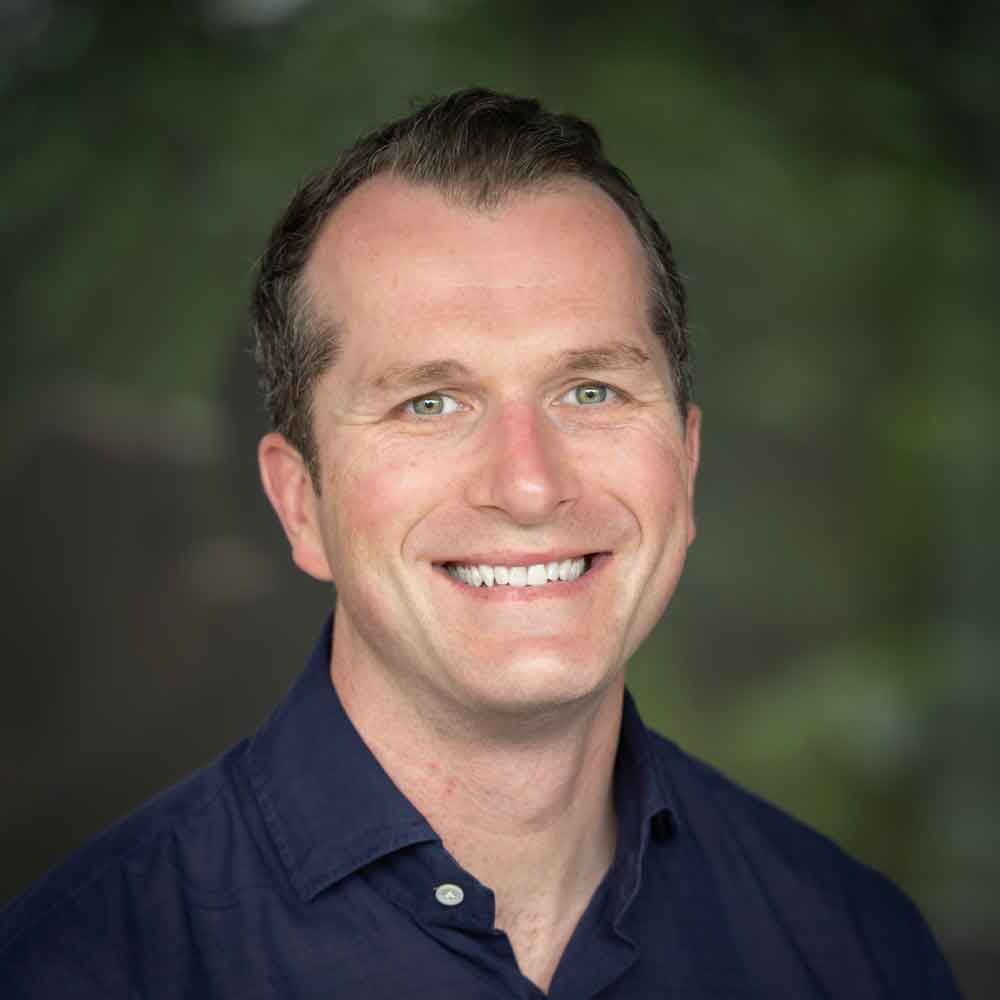
Andy Nelsonjoined the organization through an acquisition in 2014, initially as anindividual contributor. He went on to lead the acquired business beforeprogressing into group leadership and his current role as Portfolio Manager.
In his current work, Andy helps acquire businesses andsupports their leaders through coaching and strategic guidance. His experiencegives him a firsthand perspective on how acquisition can create newopportunities for employees and leaders who are ready to learn, take onchallenges, and grow.
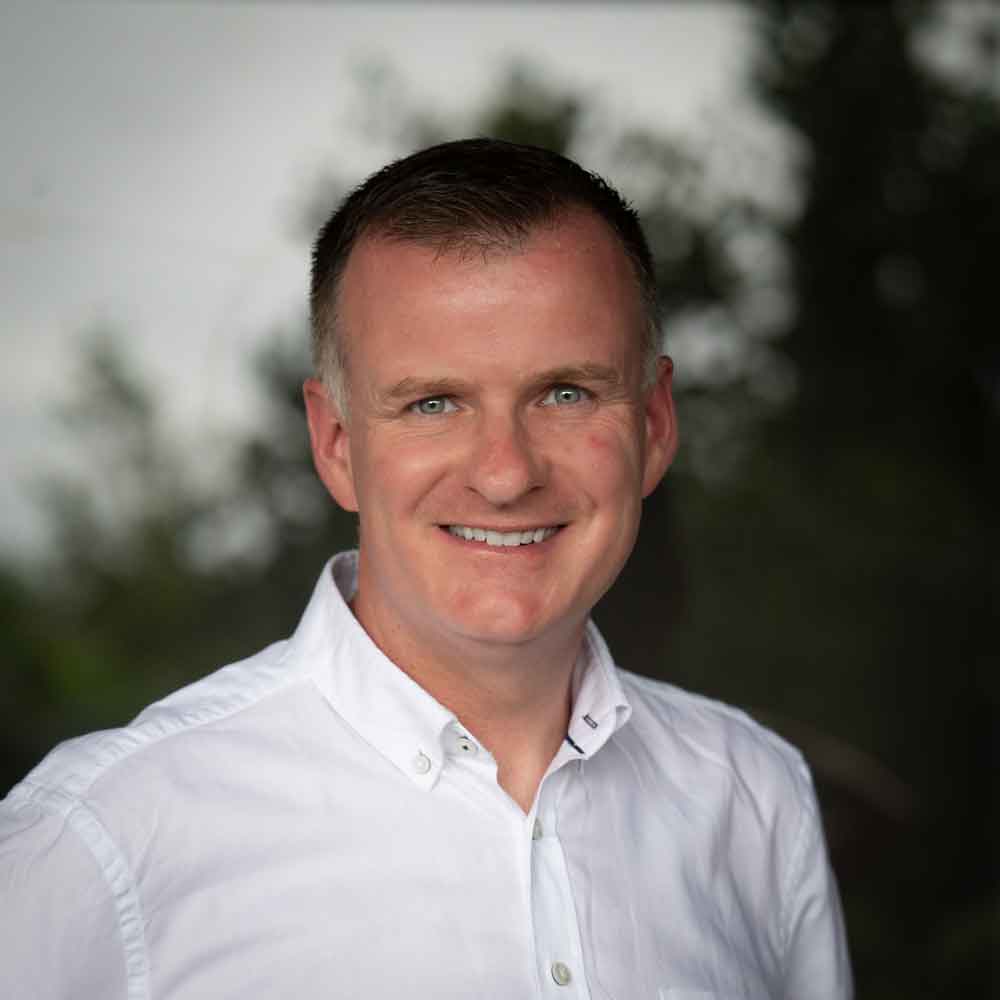
Kealan Curran joined an acquired business in 2015 as a software support engineer. Within two years, he moved into people management and later became Managing Director of the business before progressing into group leadership.
Today, Kealan oversees five businesses across multiple countries, representing approximately 300 employees and several vertical markets. His career journey demonstrates how leaders can expand from operating one business to coaching multiple CEOs and supporting growth across a broader portfolio
STAY IN THE CONVERSATION
Insights worth carrying into the next decision.
You’ve built something great
Come and join the definitive leader for EAM